
Continual HAVS Monitoring – Yes or NO?
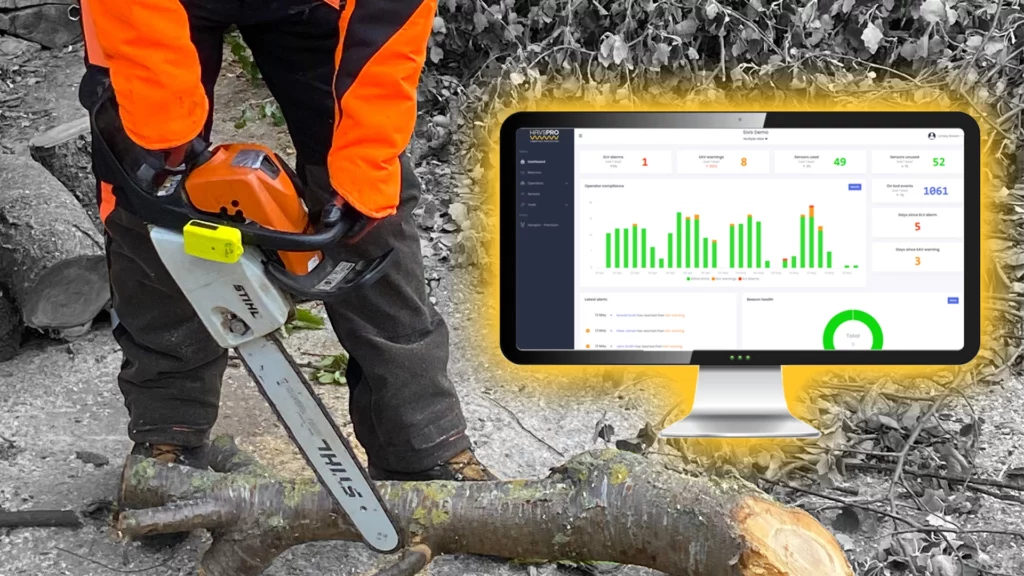
Continual vibration measuring and monitoring, yes or NO?
Continual HAVS Monitoring – Yes or NO? Read More »
Continual vibration measuring and monitoring, yes or NO?
Continual HAVS Monitoring – Yes or NO? Read More »
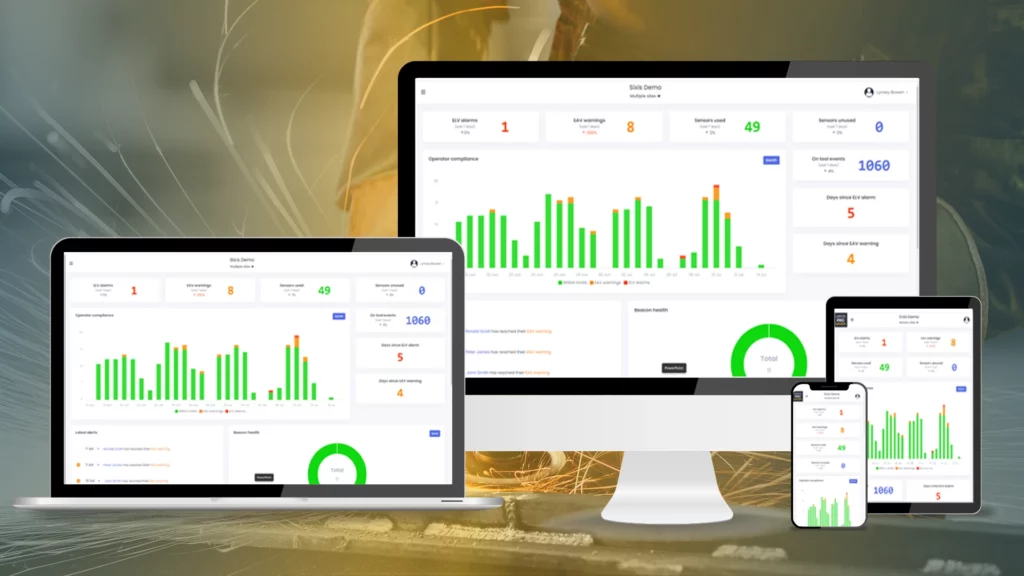
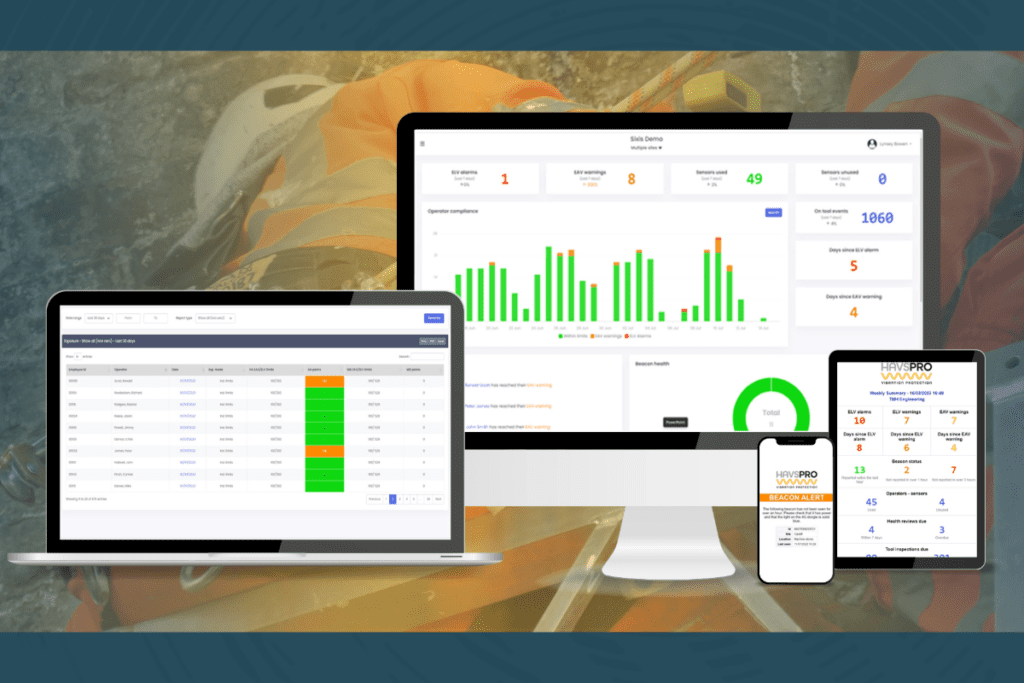
Thinking of trying HAVSPRO, but not sure how it works? Here is a quick breakdown of the system and its benefits: 1️⃣ Each operator has their own sensor, programmed with their unique details, HAVS points values and even a reminder for their next health review date. 2️⃣ Each tool is fitted with a holster to
A quick look at how HAVSPRO works… Read More »
With Halloween just around the corner, it seems an appropriate time to highlight the importance of HAVS management to avoid a nightmare that lasts longer than a cold October evening. HAVS can haunt both employers and workers for years and it won’t give you the choice between ‘Trick or Treat’. To highlight the potential impact
Avoid being haunted by HAVS Non-compliance… Read More »
As you know HAVS, Hand Arm Vibration Syndrome, a painful, debilitating, and serious condition that’s permanent once it develops. The symptom progression can be subtle and gradual, it is therefore imperative that the operators are aware of the condition symptoms as it can be difficult to detect until it’s too late. Making this a definite
HAVS Exposure Limits – EAV, ELV and what they mean. Read More »
This CAN case study highlights the importance of getting your HAVS risk management strategy right for each individual circumstance. CAN (part of RSK Group) was established in the UK in 1983, and now employs around 200 staff. With their Head Office in Chesterfield, Derbyshire, they undertake various civil engineering work, structural installations, and maintenance projects,
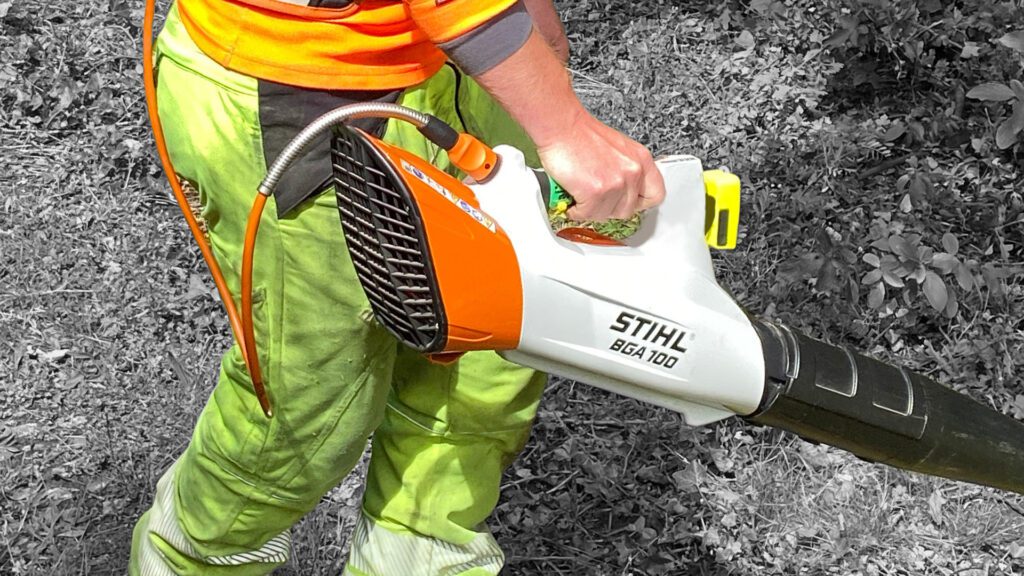
There is a common assumption that battery powered tools emit lower vibration levels than traditionally-powered tools. And you can see why – less moving parts to generate power suggests lower vibrations, but is this assumption correct? We take a look at the findings of the recently published HSEs study: Hand-arm vibration and noise emissions of
Don’t assume battery powered tools emit lower vibration levels Read More »
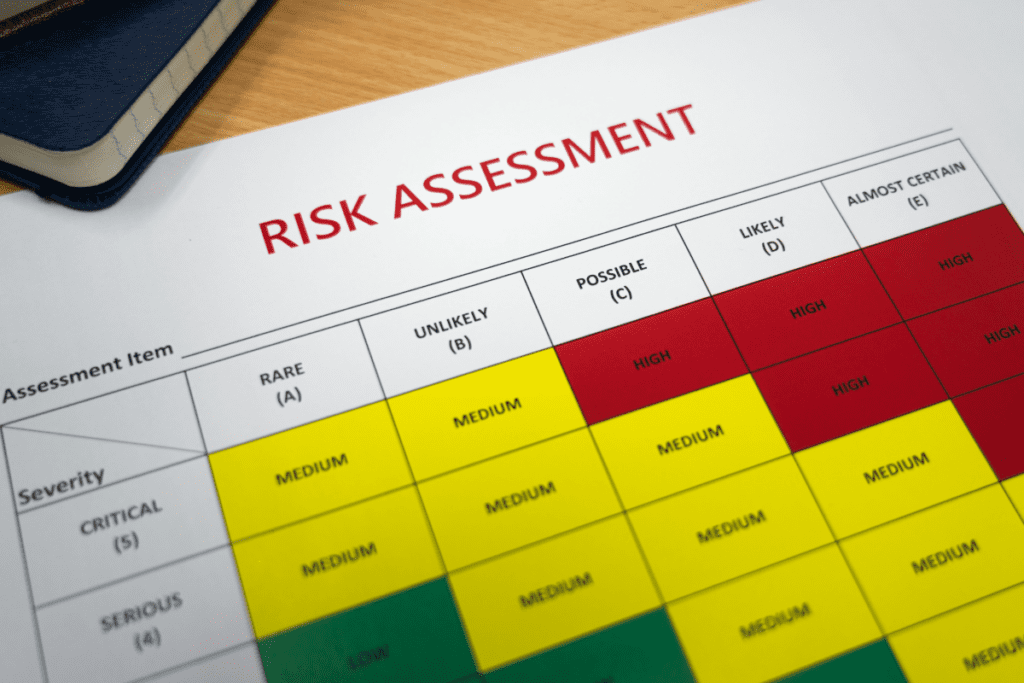
Under the Control of Vibration at Work Regulations all employers must be reducing the risk of HAVS for their employees. This means the risk from vibration needs to be assessed and control measures put in place to ensure over-exposure doesn’t occur. For more information on vibration risk assessment, download our free Guide: HAVS Risk Assessments
Reducing the Risk of HAVS – An Employers Guide Read More »
SIXIS Technology are showcasing their unique HAVS risk management solution, HAVSPRO, on stand 3/J50, with on-tool demonstrations of its capabilities at The Health & Safety Event at the NEC, 25th –27th April. The unique, proactive solution for the continuous measuring and monitoring of vibration exposure The ground-breaking solution for the accurate, real-time measurement and proactive
HAVSPRO showcases their unique solution at The Health & Safety Event 2023 Read More »
The Health & Safety Executive enforce the Control of Vibration at Work Regulations 2005, which aims to protect against hand arm vibration syndrome (HAVS) and whole-body vibration health conditions. As a business or organisation who uses vibrating tools or equipment, you are legally required to manage the risk posed by vibration to as low as
Hand arm vibration syndrome: How to protect your staff and business Read More »
When conducting your HAVS risk assessments, there are 2 main pieces of information that are used to assess risk: vibration magnitude and exposure time. Typically, there are two types of vibration magnitude data that can be used; assumed data or continuously measured and monitored data. The issue of using assumed data verses continuously measured and
Assumed Vibration Data or Continuous Measuring and Monitoring? Read More »