
Vibration Risk Management: What the Nottingham City Homes Case Tells Us About Managing Vibration Risks
Vibration risk management isn’t a paperwork exercise, it’s a day-to-day discipline that protects people from permanent harm. In a prosecution highlighted by the Health and Safety Executive (HSE) in November 2025, Nottingham City Homes Limited was fined £32,000 and ordered to pay £6,226 in costs after multiple workers were diagnosed with vibration-related ill-health, including Hand-Arm Vibration Syndrome (HAVS).
This wasn’t an isolated incident. The HSE investigation began after it received more than ten reports of vibration-related ill-health in a short period of time. Many of the affected workers had carried out maintenance and repair work across the housing stock for years and the resulting conditions were preventable with stronger controls and better oversight.
For social housing providers, councils, and maintenance contractors, this case is a sharp reminder: when vibration risks aren’t managed consistently, people get hurt and enforcement action follows.
Vibration risk management: what happened in the Nottingham City Homes case?
According to the HSE, Nottingham City Homes operated as an arms-length management organisation managing social housing on behalf of Nottingham City Council between 2005 and 2023. Employees across multiple trades were exposed to vibration through extensive use of powered tools, over prolonged periods, yet the risk was not properly assessed or controlled.
The roles affected included bricklayers, joiners, electricians, plasterers, caretakers and others, using tools such as:
- Drills and impact drivers
- Vibrating plates
- Road breakers
The human cost behind the headline
HAVS develops through repeated exposure to vibration and can damage the nerves, blood vessels, joints and muscles of the hands and arms. Symptoms often include:
- Tingling and numbness in the fingers
- Loss of grip strength and dexterity
- Pain and “flare-ups” in cold or damp conditions
- Difficulty with everyday tasks (for example fastening buttons or holding utensils)
The most important point for any employer: once the damage is done, it can be irreversible so prevention and early intervention are everything.
Where vibration risk management failed
HSE’s findings reflect common gaps seen across maintenance and repair teams, especially where tool use is frequent, varied, and spread across sites.
1) Risk assessment didn’t reflect real exposure
The HSE investigation also found that the company had not undertaken a suitable and sufficient assessment of the risks posed by vibration.
2) Controls weren’t robust enough
HSE pointed to practical control approaches that should be considered, such as:
- Removing the need for vibrating tools where possible
- Switching to lower-vibration alternatives
- Limiting vibration exposure times (and planning work to make that achievable).
3) Maintenance, surveillance, and training didn’t do the job
Tool maintenance and health surveillance arrangements were inadequate, and employees had not received sufficient training on the risks that they faced.
What the law expects for vibration risk management
If your teams use powered tools, vibration risk management is a legal requirement — not a “nice to have”.
Control of Vibration at Work Regulations 2005
Employers must:
- Assess vibration risk
- Reduce exposure to as low as reasonably practicable
- Take action at the Exposure Action Value (EAV)
- Ensure the Exposure Limit Value (ELV) is not exceeded.
RIDDOR (Reporting of Injuries, Diseases and Dangerous Occurrences Regulations)
A confirmed diagnosis of HAVS that’s linked to work activity is a reportable occupational disease. The message from the HSE in cases like this is consistent: guidance exists and calculation tools are available but the key is embedding controls into real working practices and checking they’re actually working over time.
Practical vibration risk management steps for housing maintenance teams
If you’re reviewing your approach after reading this case, these are strong starting points:
- Map your highest-risk tools and tasks (don’t assume — confirm)
- Set clear expectations and build task rotation into planning
- Choose lower-vibration tools where reasonably practicable (and keep them well maintained)
- Train teams properly: tool handling, reporting symptoms early, what EAV/ELV means in practice
- Run structured health surveillance and make sure results drive action
- Keep evidence: what you assessed, what you changed, what improved, and what you’re measuring and monitoring
This is where vibration risk management either becomes real or stays theoretical.
How HAVSPRO supports vibration risk management in the real world
At SIXIS Technology, we developed HAVSPRO to help organisations move from estimated exposure to measured, monitored, defensible vibration risk management especially where multiple trades use multiple tools across multiple sites.
Real-time tool-mounted measuring and monitoring (not guesswork)
HAVSPRO sensors attach directly to the tools your teams already use, recording building accurate, worker-specific exposure data in real time instead of relying on catalogue values, tool-timers or assumptions.
Automatic exposure logging and reporting
All tool-use data is captured and stored in the HAVSPRO Insights reporting platform, helping you to:
- Strengthen evidence-based vibration risk assessments
- Identify high-risk tools, tasks, sites, or teams
- Demonstrate that exposure is being measured, monitored and controlled over time
Alerts before EAV/ELV become a problem
A simple traffic-light approach helps teams and supervisors spot rising exposure early, supporting task rotation, tool swaps, and planned breaks before limits are reached.
Better-targeted health surveillance and early intervention
Because exposure history is clearer, occupational health activity can be prioritised and investigations can be supported with objective usage information, helping you intervene earlier and reduce harm.
Key lessons from the Nottingham City Homes case
For social housing maintenance, estates, facilities management, and DLO teams, the takeaways are straightforward:
- Vibration risk management must be active, not a “tick-box” assessment
- You need reliable visibility of who is using what, for how long and vibration exposure
- Health surveillance should be consistent and informed by real exposure
- Multiple symptom reports are a warning sign that controls aren’t working
HAVS is preventable but only when exposure is properly measured, monitored, and reduced.
Take the next step
If your teams rely on vibrating tools and you’re not 100% confident that your vibration risk management is as strong as it needs to be, now is the right time to review it.
Want a practical next move?
- Audit your highest-risk tools and tasks this month
- Refresh training and symptom reporting routes
- Strengthen measuring and monitoring so you’re managing exposure in real working conditions, not on estimates.
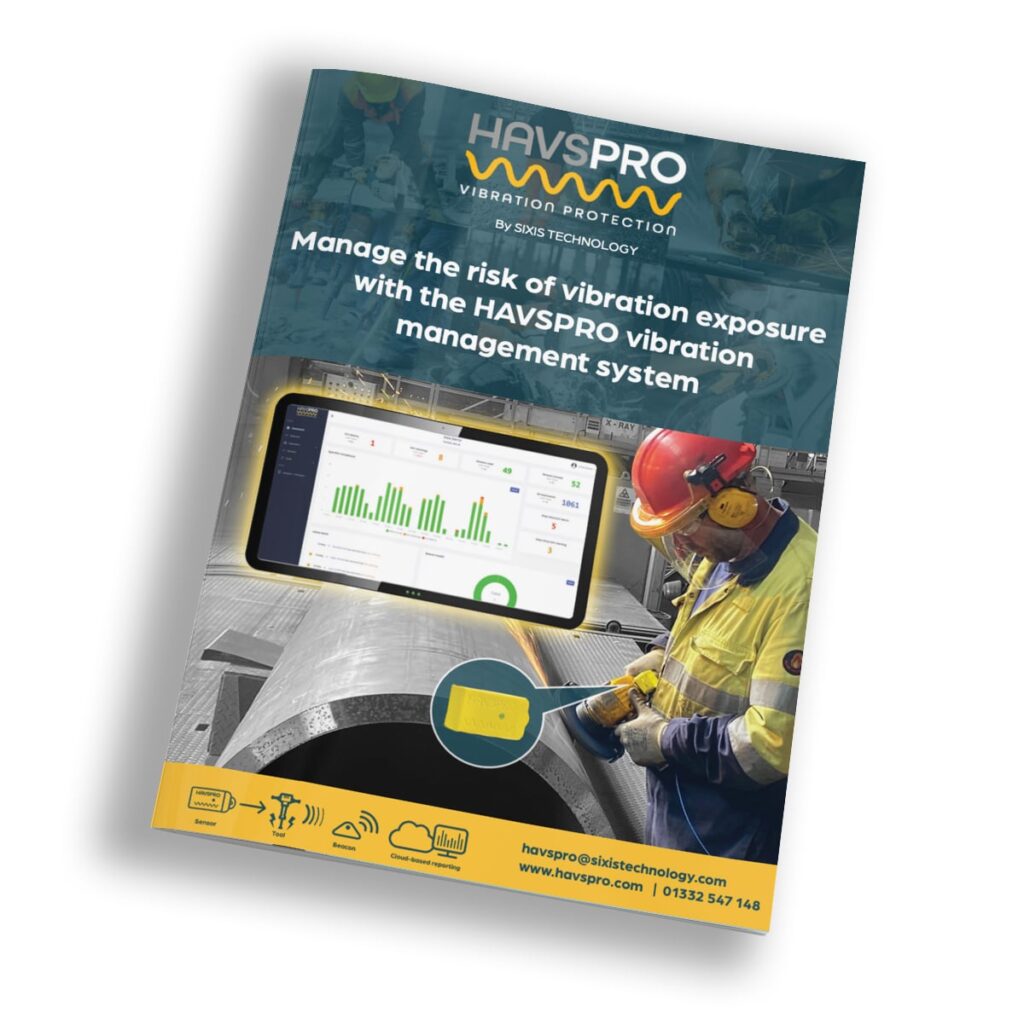
If you’d like to see how HAVSPRO supports maintenance teams in housing and local authority environments, download the brochure below.